
Orlando’s legal market has moved fast in the past two years—and 2025 is the year those changes really show up in day-to-day client experience. From stricter litigation timelines and evolving insurance and property rules to hybrid court procedures, AI-enabled workflows, and new pricing realities, legal services in Orlando look different than they did even a short while ago.
A quick snapshot of what’s new in 2025
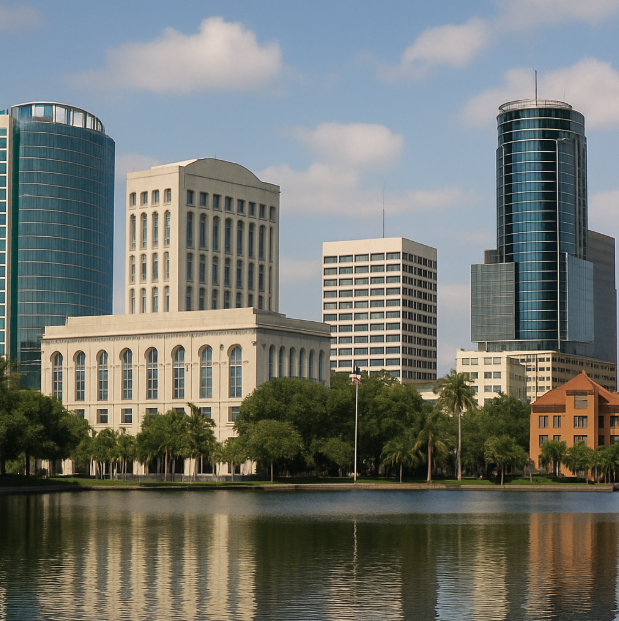
The most visible shifts affecting clients this year include:
- Shorter filing windows and evidence rules that push earlier action in injury and insurance cases.
- Faster remedies for certain property issues, such as unauthorized occupancy, when specific criteria are met.
- A rebalanced landscape for property insurance disputes and assignments of benefits.
- Updated government filing fees (notably in immigration), with selective discounts and reductions.
- A steadily rising statewide minimum wage, driving more wage-and-hour audits and disputes for employers.
- Hybrid courts—e-filing by default and video hearings in suitable divisions—changing how your matter moves.
- Responsible use of AI across Orlando law firms, with human review and confidentiality safeguards.
Each of these trends translates into concrete changes in how you should plan, budget, and communicate with your attorney in 2025.
How the rule changes affect real people in Orlando

Personal injury and insurance claims: Speed and documentation win cases
Injury claims now operate on tighter timelines and greater scrutiny of medical proof and billing. That means:
- Earlier intake = better outcomes. With shorter limitations periods for many negligence claims, waiting six months to “see how you feel” can be costly. Speak to counsel as soon as you’ve had initial treatment.
- Evidence discipline. Expect your firm to focus on treatment records, liens, and any letters of protection early. Insurers are examining documentation line by line, so your lawyer will, too.
- More front-loaded strategy. Since fee recovery and leverage have shifted in some insurance contexts, your attorney may push for robust pre-suit negotiation or selective litigation rather than blanket filing.
Property owners and landlords: Faster responses—when facts qualify
If you’re dealing with unauthorized occupants at a residential property, new procedures can enable faster removal through law enforcement—if the situation fits strict statutory criteria. Your lawyer will screen facts (tenancy status, proof of ownership, signs of forced entry, and more) before choosing the right avenue. When there’s a legitimate landlord-tenant dispute or unclear occupancy rights, you’ll still follow traditional eviction channels.
Employers and employees: Wage-and-hour remains hot
Florida’s constitutionally scheduled wage increases continue to roll forward, and Central Florida’s hospitality and service sectors feel it first. For employers, 2025 is the year to:
- Revisit pay practices, tip credits, timekeeping, and rounding rules.
- Update handbooks and ensure manager training matches your policy on breaks, off-the-clock work, and overtime.
- Prepare for more inquiries and demand letters around misclassification and recordkeeping.
Workers who believe they’ve been shorted should preserve pay stubs, schedules, and written instructions; small documentation details often decide wage cases.
Immigration clients: Plan budgets with the current fee schedule
USCIS fees were updated, with many forms increasing and a standard online-filing discount available. Some naturalization applicants may qualify for a 50% reduction based on income thresholds. In practice, legal services in Orlando for immigration matters now begin with a fee and timeline consult so you can budget precisely, choose online filing where appropriate, and assemble supporting financial documentation if you’re applying for reductions.
Courtroom logistics: What clients should expect in 2025

by Amy Hirschi (https://unsplash.com/@amyhirschi)
E-filing is the default
Across Florida, e-filing is standard for attorneys. That’s good news for clients: filings move faster, orders arrive sooner, and service is more predictable. You’ll review PDFs instead of stacks of paper, and your lawyer will likely route most documents through a secure client portal for e-signature and approval.
Hybrid hearings are normal
Video hearings are here to stay in many divisions, especially for procedural matters, short motions, or non-evidentiary status checks. Your attorney will confirm format, provide instructions for exhibits, and request a brief “tech check” if your matter is remote. For contested and evidentiary matters, expect more in-person appearances—but hybrid approaches reduce travel time and can control costs.
AI is a behind-the-scenes accelerant—not a substitute
Leading Orlando law firms now use generative AI carefully for first drafts, issue spotting, transcript summaries, and discovery organization. Ethical use requires confidentiality safeguards, human verification of legal analysis, and transparent billing practices. Practically, you get faster iterations on drafts and more time from your lawyer devoted to strategy rather than rote formatting or citation gathering.
Practice-area: How 2025 changes your path to resolution
1) Motor vehicle, premises, and other injury claims
- Intake and triage: Firms move quickly to lock down photos, witness details, and treatment plans. You may be asked to use a secure app or portal to upload materials within days—not weeks.
- Medical coordination: Expect closer collaboration with treating providers so that billing records, CPT codes, and liens are clean and complete before demand.
- Negotiation posture: With a different fee-shifting backdrop in some insurance disputes, early-stage demands may include more granular damages support and fewer “wait and see” extensions.
Client tip: Keep a treatment diary and save every bill, EOB, and message from your insurer. Granular documentation shortens the distance between you and a fair settlement.
2) Property insurance and storm-related claims
- Pre-suit is king: Many firms invest more time in pre-suit documentation, expert inspections, and calibrated demands. That doesn’t mean lawsuits vanish—it means strategy is more selective.
- Assignment of benefits (AOB) is narrower: Contractors and homeowners have different incentives than in the past. If you’re a policyholder, ask your lawyer to explain the pros and cons of AOB in your specific scenario.
- Timelines: Expect a clearer roadmap from your firm: inspection window, proof-of-loss deadlines, appraisal options, and mediation pathways.
Client tip: Photograph everything (before and after mitigation), keep receipts, and centralize communications. Organized files drive better outcomes.
3) Real estate and landlord–tenant
- Unauthorized occupancy: For break-ins and non-tenant squatters, the new sheriff-facilitated path can deliver faster relief if facts fit the statute. Your attorney will prepare sworn statements and police-ready evidence packages.
- When it’s a true tenancy: Traditional eviction still applies. The Ninth Judicial Circuit’s clerks keep strict requirements for notice, service, and filings; small mistakes can restart the clock.
- Investment property risks: Owners now lean on proactive measures—smart locks, vacancy checks, neighbor contacts, and a local property manager—to prevent issues that are costlier to unwind.
Client tip: If you suspect unauthorized occupancy, stop and call counsel. Don’t confront, and don’t accept rent or texts that could muddy the legal status.
4) Business and employment counsel
- Handbook refreshes: Orlando employers are updating policies to align with wage increases, paid leave practices, anti-retaliation rules, and compliant scheduling.
- Training and audits: Manager training prevents most wage claims. Expect flat-fee audits from Orlando law firms that include sampling time records, reviewing tipped roles, and testing your workflows against state and federal rules.
- Employee claims: Workers should gather schedules, text messages, and job posts describing “salary” roles that still look like hourly positions. Misclassification often turns on duties, not titles.
5) Family law in a hybrid court world
- Virtual where sensible: Short hearings, temporary relief motions, or uncontested matters may proceed by video. Contested custody or evidentiary issues are often in person.
- Pricing: Expect more flat-fee or “unbundled” options for discrete tasks—drafting a parenting plan, attending a short hearing, or reviewing a settlement proposal—paired with hourly work for complex litigation.
- Client readiness: Courts move faster when parties exchange exhibits digitally and submit proposed orders that meet each judge’s formatting preferences.
6) Immigration services
- Fee planning: Firms start with budget maps: filing fees by form, optional premium processing, translation costs, and whether you qualify for online-filing discounts or naturalization reductions.
- Timeline clarity: Backlogs ebb and flow. Competent legal services in Orlando will set expectations by form category and service center, then update you as receipts and biometrics arrive.
- Document control: Digital intake portals reduce missing info and RFE risk. Be ready with civil documents, financials, and consistent address history.
How pricing and communication are evolving in 2025
Clearer scopes and blended fee models
Clients increasingly see transparent scopes paired with pricing that matches task predictability:
- Flat fees for defined deliverables (e.g., uncontested divorces, deed packages, trademarks, record sealing, demand-only engagements).
- Hourly for open-ended litigation, strategic advisory, and matters with heavy discovery.
- Contingency or hybrid where statutes and risk profiles support it (e.g., certain injury or consumer cases).
Your engagement letter should explain what’s included, what triggers a change order, and what costs (court fees, experts, service of process) are separate from attorney fees.
Secure portals and faster feedback loops
Most Orlando law firms now rely on encrypted client portals for e-signatures, calendar invites, and document sharing. Expect same-day confirmations for filings, automated reminders for hearings, and clearer “action needed” checklists—especially for hybrid hearings where exhibit prep happens earlier.
Responsible AI and research tools
Behind the scenes, lawyers use AI to summarize transcripts, sift medical records, and generate first-pass drafts. The time savings are real, but firms must still verify accuracy, cite appropriately, and protect confidentiality. Clients benefit through shorter drafting cycles and more attorney time available for strategy and negotiation.
Conclusion
The legal services landscape in Orlando has transformed significantly by 2025. With technological advancements, changing client expectations, and a focus on specialization, clients have more options and better access to legal services than ever before. By staying informed and leveraging available resources, clients can navigate the Orlando legal system with confidence and achieve favorable outcomes in their legal matters.
Have a summons, subpoena, or time-sensitive pleading that needs professional handling? You can get started through our website, call our team, or send details by email—whatever is easiest for you.
Contact Legal Serve USA: (888) 575-3553 or serve@legalserveusa.com.