
Filing a lawsuit is not only about preparing the right legal documents. It also involves making sure the other party is properly notified. This step is called service of process, and it plays a major role in keeping a case valid from the start.
Before you file or move forward with a case, it helps to understand the basic process serving rules that may apply. When service is done incorrectly, it can cause delays, rejected filings, or problems with the court. That is why many law firms, businesses, landlords, and individuals work with a professional process server to handle this step correctly.
Legal Serve USA helps clients serve legal documents in Florida, across the United States, and internationally. Whether you need to serve a summons, subpoena, landlord/tenant notice, demand letter, or other legal papers, proper service matters.
What Is Service of Process?
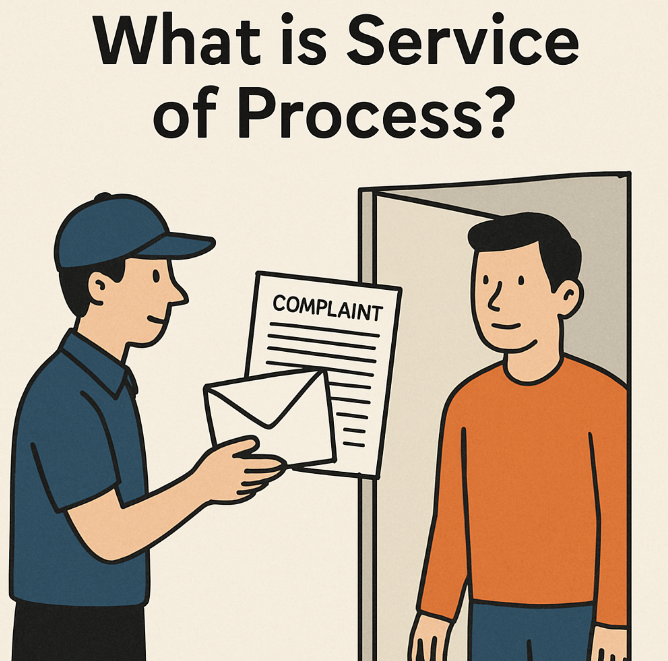
Service of process is the formal delivery of legal documents to a person or business involved in a legal matter. It gives the recipient official notice that a case, claim, demand, or legal action has been filed or is being pursued.
This is not the same as sending a casual letter or email. Courts usually require legal documents to be served in a specific way. The goal is to prove that the recipient was properly notified and had a fair chance to respond.
Common documents served include:
- Summons and complaints
- Subpoenas
- Eviction or landlord/tenant notices
- Demand letters
- Court orders
- Legal notices requiring proof of delivery
Every case may have different requirements, which is why understanding the rules of process serving is important before taking the next legal step.
Why Process Serving Rules Matter Before Filing
Many people focus on drafting the lawsuit first, but service should not be an afterthought. If you do not know where the other party is, how they must be served, or what proof the court may require, your case may face avoidable setbacks.
The process serving rules help make sure legal notice is fair, documented, and legally acceptable. Courts take this seriously because a person cannot properly respond to a lawsuit if they were never notified in the correct way.
Improper service can lead to problems such as:
- Delays in your case
- A rejected proof of service
- Additional filing costs
- Missed deadlines
- The need to serve the documents again
- Possible dismissal or challenge from the other party
Working with a process server before or shortly after filing can help you avoid these issues.
Who Can Serve Legal Documents?
The rules vary by state and jurisdiction, but legal documents usually cannot be served by someone directly involved in the case. Many courts require service to be completed by a qualified third party, sheriff, appointed process server, or licensed process server.
In Florida, process serving has specific legal requirements. Legal Serve USA works with servers who are licensed or appointed in the jurisdictions they cover. This matters because each county or court may have its own standards for who can serve documents and how service must be completed.
Using a professional process server helps reduce the risk of errors. A trained server understands timing, delivery methods, documentation, and what to do when a recipient is difficult to locate or tries to avoid service.
Common Rules of Process Serving
The exact rules of process serving depend on the type of case, the court, and where the recipient is located. Still, there are several common requirements that often apply.
- First, the documents must usually be delivered to the correct person or an authorized party. Serving the wrong individual can make the service invalid.
- Second, the server must follow the accepted method of service. This may include personal service, substitute service, service at a business, or other court-approved methods.
- Third, service must often be completed within a certain deadline. Missing that deadline may slow down the case.
- Fourth, the process server must provide proof that service was completed. This is usually done through an affidavit or proof of service.
These steps may sound simple, but every detail matters. Names, dates, times, addresses, and method of delivery must be accurate.
What Happens If the Person Cannot Be Found?
Not every recipient is easy to locate. Some people move, change jobs, avoid answering the door, or use outdated contact information. This can make service of process more difficult, especially when a deadline is approaching.
This is where skip tracing can help. Skip tracing is the process of locating a hard-to-find person using available records, databases, and investigative methods. Legal Serve USA offers skip tracing services to help locate individuals who need to be served.
If the person still cannot be found after reasonable efforts, an affidavit of diligent search may be needed. This document shows the court that serious attempts were made to locate and serve the person. In some cases, this may support a request for alternative service, depending on the court’s rules.
Local, Nationwide, and International Service
Process serving is not always limited to one city or state. A lawsuit may involve someone who lives in another county, another state, or even another country.
Legal Serve USA provides Florida service of process in every county in the state. The company also assists with nationwide service of process for documents that need to be served anywhere in the U.S.
For international matters, service can be more complex. Different countries may have different rules, and some cases may require specific methods under international agreements. That is why it is important to speak with a process serving team that understands how to approach service outside the United States.
Why Professional Process Serving Helps Protect Your Case
Process serving is more than document delivery. It is a legal step that must be handled with care. A professional process server helps protect your case by making sure documents are delivered properly and proof is recorded clearly.
Professional process servers can also help with difficult situations, such as evasive recipients, incomplete addresses, urgent deadlines, and out-of-state service. Instead of guessing what to do next, you can rely on a team that understands the process and knows how to document each attempt.
For attorneys, this helps keep cases moving. For businesses, landlords, and individuals, it helps reduce confusion and avoid costly mistakes.
When Should You Contact a Process Server?
It is best to contact a process server as early as possible. You do not have to wait until problems happen. If you are preparing to file a lawsuit, serve a notice, or deliver court documents, early planning can help you understand what information is needed.
Before contacting a process server, gather helpful details such as the recipient’s full name, last known address, workplace, phone number, email address, and any other identifying information. The more accurate information you provide, the easier it may be to complete service quickly.
If the person’s location is unknown, Legal Serve USA can also discuss skip tracing options.
Work With Legal Serve USA for Proper Service of Process
Understanding process serving rules before filing a lawsuit can save time, reduce stress, and help protect your case from unnecessary delays. Proper service of process gives the other party official notice and gives the court the proof it needs to move the case forward.
Legal Serve USA provides professional process serving, skip tracing, affidavits of diligent search, nationwide service, and international service support. Whether your case is simple or difficult, their team can help you serve documents correctly and efficiently.
Need help with legal document service? Contact Legal Serve USA today at (888) 575-3553 or email serve@legalserveusa.com to get started.