
Legal cases depend on more than filing the correct paperwork. Once certain court documents are prepared or filed, they may need to be formally delivered to another person or business. That is where a server for court documents, more commonly known as a process server, becomes important.
A professional process server delivers legal papers according to applicable rules and documents what happened during the service attempt. This helps establish that the recipient received proper notice and gives attorneys, businesses, landlords, and individuals a reliable record of service.
Legal Serve USA provides professional process serving throughout Florida, across the United States, and internationally. The company also assists clients with services such as skip tracing and affidavits of due and diligent search when an assignment requires additional support.
What Is a Server for Court Documents?
A server for court documents is a professional responsible for delivering legal papers to the appropriate individual or organization. This process is generally called service of process.
The purpose is not simply to transport paperwork. Formal service provides notice that a person or business is involved in a legal proceeding or has an obligation to respond to a particular legal document.
Depending on the situation, a process server may deliver:
- Summonses and complaints
- Subpoenas
- Landlord and tenant notices
- Divorce and family law documents
- Demand letters
- Other court-related notices and papers
After an assignment is completed, the process server records relevant information about the service. Proper documentation can be important when the court needs evidence that service was completed according to applicable requirements.
Why Can’t You Simply Deliver Court Documents Yourself?
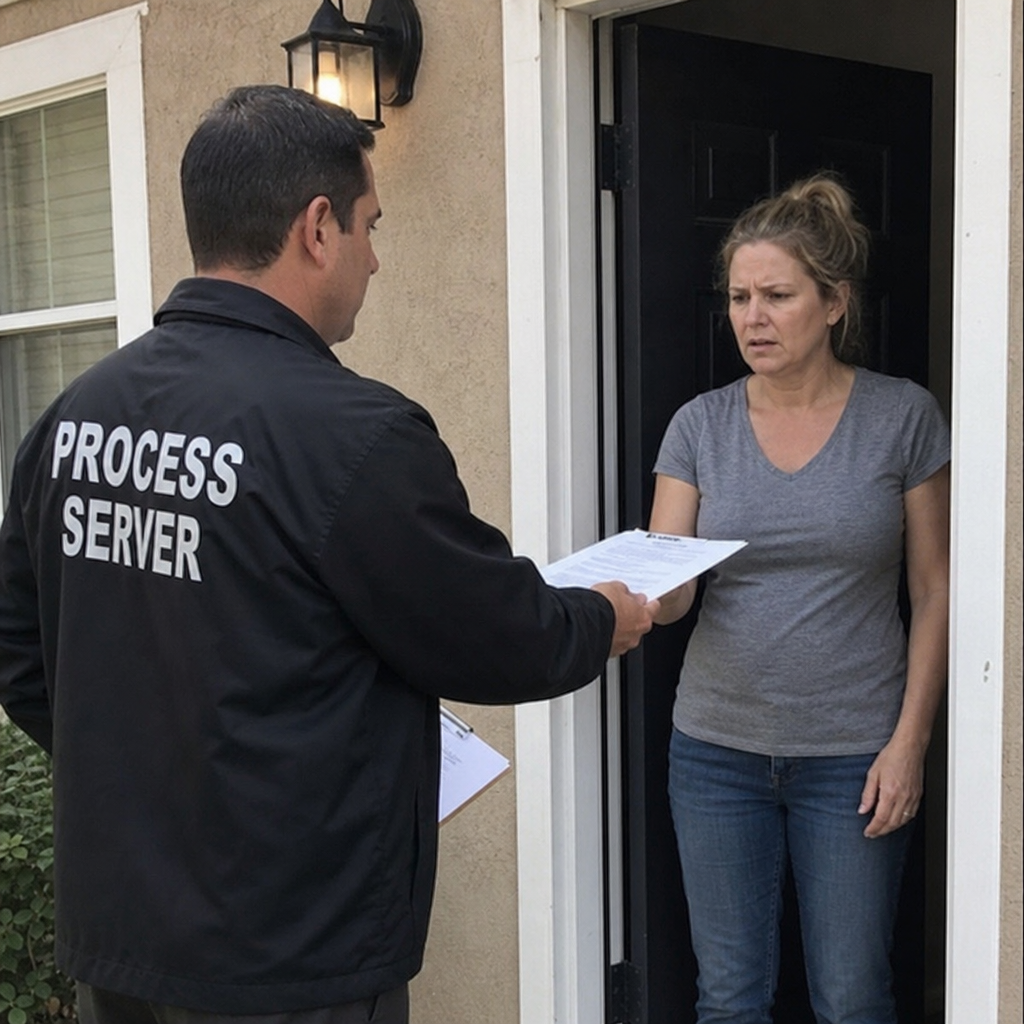
It may seem easier to personally hand legal papers to the recipient, particularly when you know where that person lives or works. However, service of process is governed by specific rules, and the requirements can vary depending on the jurisdiction and type of case.
In many situations, a party directly involved in the lawsuit cannot personally serve the documents. There may also be requirements concerning who is authorized to serve papers, how service is completed, and what information must be documented afterward.
Using a professional process server helps separate the parties involved in the dispute from the actual delivery of legal papers.
A professional server also understands that legal document delivery must be handled neutrally. Their responsibility is to complete the assignment professionally rather than argue about the case or pressure the recipient.
When Do You Need a Process Server?
There are many circumstances where professional process serving may be necessary or beneficial.
1. Starting a Lawsuit
When a lawsuit begins, the defendant generally needs formal notice of the action. A summons and complaint are common examples of documents that may require service.
Using a professional process server can help ensure the delivery attempt is properly handled and documented from the beginning.
2. Serving a Subpoena
A subpoena may require someone to appear in court, provide testimony, or produce documents. Because subpoenas carry legal obligations, proper delivery and documentation can be important.
A professional server for court documents can make the required attempt and create a record of what occurred.
3. Handling Landlord and Tenant Matters
Landlord and tenant disputes can involve notices and court documents that need to be delivered within specific timeframes.
Working with an experienced process server can help landlords, property managers, attorneys, and other parties coordinate delivery without personally confronting the recipient.
4. Serving Divorce or Family Law Papers
Divorce and other family law matters can be emotional. Having a neutral third party deliver the paperwork helps separate legal notification from the personal relationship between the parties.
Professional process servers approach these assignments discreetly and focus on completing service according to the applicable requirements.
What Happens During the Process Serving Assignment?
Professional process serving generally follows an organized workflow. The exact steps depend on the assignment, but the process may look like this:
Step 1: Submit the documents. The client provides the legal papers along with relevant information about the person or business being served.
Step 2: Review the service information. Details such as the recipient’s full name, address, workplace, physical description, or other identifying information can help the server prepare for the attempt.
Step 3: Attempt service. The process server visits an appropriate location and attempts to deliver the documents according to the requirements that apply to the assignment.
Step 4: Record the outcome. Details surrounding successful or unsuccessful attempts are documented so the client has an accurate record.
Step 5: Complete the necessary documentation. When service is successful, appropriate proof or an affidavit of service may be prepared as required.
This structured process is one reason professional service is different from ordinary mail or courier delivery.
What If the Recipient Cannot Be Located?
Not every process serving assignment is straightforward. Sometimes an address is outdated, the recipient has moved, or the available information is incomplete.
Legal Serve USA provides skip tracing services to assist with difficult-to-locate individuals. Skip tracing can use available records and investigative resources to identify current information that may help locate the intended recipient.
In certain situations, an affidavit of due and diligent search may also be necessary. This can document the efforts made to locate an individual when normal attempts have been unsuccessful.
Having these related services available can help clients manage difficult assignments without starting over with an entirely different provider.
How Digital Document Management Supports Process Serving
Modern legal work frequently involves digital files alongside physical service. Law firms and businesses may use an online document repository to organize pleadings, service records, case documents, and other important information.
A secure document storage solution can also make it easier for authorized team members to access relevant documents and maintain organized records throughout a case.
However, storing or sharing a court document electronically should not be confused with legally serving it. When formal service is required, the applicable service rules still need to be followed.
For clients, the key is maintaining an organized workflow from document preparation and storage through delivery and proof of service. Accurate records can make it easier to monitor cases and confirm what actions have been completed.
Choosing the Right Server for Court Documents
Not every process serving provider offers the same level of coverage or support. When choosing a provider, consider experience, geographic reach, communication, documentation, and additional services.
Look for a company that can provide:
- Professional handling of legal documents
- Clear updates regarding service attempts
- Accurate records and proof of service
- Assistance with difficult-to-locate recipients
- Coverage that matches your geographic needs
These factors become particularly important for attorneys and organizations handling multiple assignments or cases involving recipients in different locations.
Process Serving in Florida and Beyond
Legal Serve USA provides process serving throughout Florida, including Orlando, Miami, Tampa, Tallahassee, Plantation, and every Florida county. This statewide coverage can be useful when a firm or individual has documents that need to be served in several Florida jurisdictions.
Legal matters can also extend beyond state lines. A recipient may move to another state after a case begins, or an organization may need to coordinate service in multiple parts of the country.
Legal Serve USA provides nationwide process serving and can also assist with international service. Having access to broader coverage makes it easier to coordinate assignments when the intended recipient is outside Florida.
Get Professional Help Serving Court Documents
A server for court documents does much more than deliver paperwork. Professional process servers help provide formal legal notice, document service attempts, and support an important part of the legal process.
Whether you need to serve a summons, subpoena, landlord and tenant notice, divorce papers, or another legal document, choosing an experienced provider can help you avoid unnecessary complications.
Legal Serve USA provides professional process serving throughout Florida, nationwide, and internationally, along with skip tracing and affidavits of due and diligent search for more challenging assignments.
Contact Legal Serve USA today at (888) 575-3553 or email serve@legalserveusa.com to discuss your assignment and get started.