
If someone is trying to hand you court papers, your first instinct might be to avoid them, shut the door, or simply say no.
Here is the short, clear answer: you can refuse to take the papers, but you usually cannot stop the case from moving forward. In many situations, service can still be considered valid even if you never physically accept the documents.
Understanding how service of process works can save you from bigger legal trouble later.
What Is Service of Process?
Before answering can you refuse a legal process server, it helps to understand the purpose behind the visit.
Service of process is the formal way someone is notified that a legal action has been filed involving them. Courts require proof that each party has been properly informed. Without that proof, a case typically cannot proceed.
The documents delivered might include:
- Summons
- Complaints
- Subpoenas
- Divorce papers
- Eviction notices
- Small claims paperwork
This step is not optional. It is a foundational part of due process in the legal system.
Who Is a Process Server?
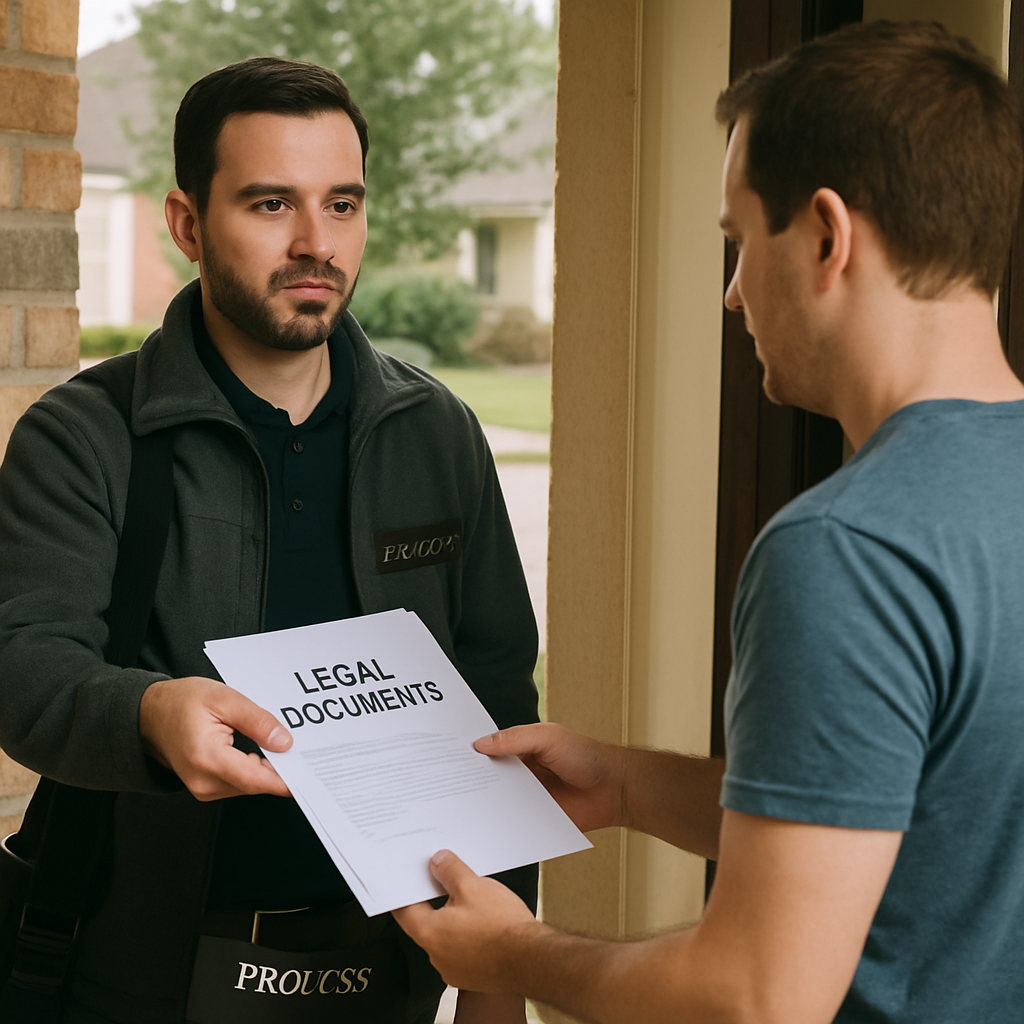
A process server is a professional hired to complete legal document delivery according to state rules. They are not lawyers and they are not police officers. Their job is to deliver paperwork and document that delivery in a way the court will accept.
Most servers must follow strict legal procedures. They often use time stamps, photos, GPS verification, and written affidavits.
Can You Refuse a Legal Process Server?
Let’s address the exact question people search every day:
Can you refuse a legal process server?
You can refuse to open the door.
You can refuse to speak.
You can even refuse to touch the papers.
But in many states, refusal does not invalidate service.
If the server can confirm your identity and make you aware that legal documents are being served, courts frequently consider that good service. The papers might be left at your feet, on your porch, or nearby.
Avoiding contact rarely stops the legal timeline.
Why Refusing Service Usually Does Not Work
People often believe that if they never physically accept the documents, the lawsuit disappears.
Unfortunately, that is not how courts see it.
Judges look at whether reasonable efforts were made to notify you. If they were, the case can continue, sometimes without you present. That can lead to default judgments, wage garnishments, or other serious consequences.
Refusal may delay things slightly. It rarely prevents them.
What Happens If You Refuse to Take the Papers?
When someone refuses service, the server documents everything carefully.
They may note:
- Date and time
- Location
- Description of the person
- What was said
- Where the papers were left
This report becomes evidence that an attempt was made.
From there, the party filing the lawsuit may request alternative methods, such as substituted service or publication, depending on local laws.
Can a Process Server Leave Papers Without Your Permission?
Yes, this happens often.
If the individual being served is identified and informed, many courts allow documents to be left in close proximity. Permission is not always required.
Again, the focus is whether you were notified, not whether you cooperated.
What If You Keep Avoiding the Process Server?
This is where things can become more complicated and more expensive.
Repeated avoidance can trigger additional steps, including:
- More attempts at different times of day
- Visits to workplaces
- Contact with neighbors or associates
- Skip tracing investigations
- Requests for court-approved alternative service
In some situations, avoidance can make a judge less sympathetic to later objections.
Understanding Process Server Rights
There is confusion about what servers can and cannot do.
Process server rights usually allow them to:
- Approach your home
- Knock on your door
- Attempt contact in public places
- Return multiple times
- Document interactions
They cannot typically:
- Break into property
- Use threats
- Pretend to be law enforcement
- Harass you
Their job is notification, not intimidation.
Common Myths About Refusing a Process Server
Let’s clear up some of the biggest misunderstandings.
Myth: If I don’t touch the papers, I won’t be served.
Not necessarily true.
Myth: They must hand them directly to me.
Often false. Identification plus proximity can be enough.
Myth: Avoiding service makes the case go away.
Almost never.
Myth: I can hide until they give up.
Usually, further legal tools become available to locate you.
Why Proper Legal Document Delivery Matters
Courts require accurate records. If service is done incorrectly, cases can be delayed or dismissed. That is why professional legal document delivery is so important.
Licensed providers understand:
- State rules
- Deadlines
- Documentation standards
- Court filing requirements
Doing it right protects everyone involved.
What the Court Really Cares About
Judges typically ask:
Was a serious and reasonable effort made to notify this person?
If the answer is yes, refusing to cooperate may not help your position.
A Better Approach Than Avoidance
If you know someone is trying to serve you, consider speaking with an attorney instead of trying to dodge the situation.
Understanding your options early is almost always better than reacting after deadlines pass.
How Professional Process Servers Help Move Cases Forward
Reliable servers do more than drop off papers. They:
- Track attempts
- Provide verifiable proof
- Follow local laws
- Help attorneys meet court requirements
When someone is difficult to find, additional research methods can be used to locate updated addresses and contact information.
Conclusion
So, can you refuse a legal process server?
You can refuse interaction.
But you usually cannot refuse the legal consequences.
In many situations, the legal system continues moving forward once reasonable notification efforts are made, whether the recipient cooperates or not.
If documents need to be delivered correctly, documented properly, and completed in accordance with court requirements, professional handling matters.
Legal Serve USA provides reliable service of process, skip tracing, and nationwide legal document delivery for law firms, businesses, and individuals.Call (888) 575-3553 or email serve@legalserveusa.com to get your documents served quickly and in full compliance with the law.